
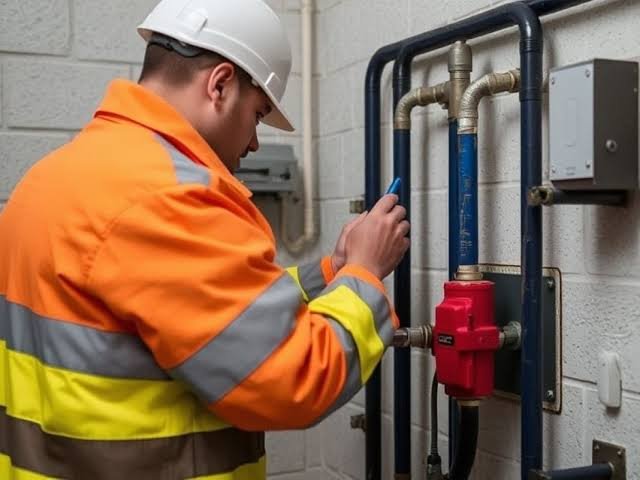
Most people never think about gas meter bonding unless an electrician mentions it during an inspection or electrical work. It’s one of those things hidden quietly in the background of a property, so homeowners often assume it isn’t important unless there’s an obvious problem.
But gas meter bonding plays a major role in electrical safety.
If the bonding is missing, damaged or incorrectly installed, parts of the gas pipework can potentially carry electrical current during a fault. That creates risks that many people are completely unaware of until the issue is pointed out professionally.
This is why gas meter bonding regulations exist in the first place. They are designed to help reduce electrical risks and ensure important metal services inside a property are properly connected to the electrical grounding system.
What Gas Meter Bonding Actually Means
Gas meter bonding is a safety connection between the metal gas pipework and the electrical earthing system of a property.
A bonding cable is attached to the gas pipe near the meter to help ensure electrical faults are safely directed into the grounding system instead of remaining on exposed metal surfaces.
Without proper bonding, electrical faults could potentially energise metal pipework during certain situations. While most people never experience obvious warning signs, the protection is still important because faults can happen unexpectedly.
That’s why proper bonding is considered part of overall electrical safety rather than just an optional extra.
Why Many People Don’t Notice Problems
One reason gas meter bonding issues often go unnoticed is because there are usually no visible symptoms. Lights still work normally. Appliances still function. Nothing seems obviously dangerous day to day.
Because of that, many homeowners assume everything is fine without ever checking whether the bonding is actually present or installed correctly.
Sometimes bonding cables are missing completely. In older properties, the existing bonding may no longer meet current regulations. Renovations, meter replacements or previous electrical work can also affect the original setup without the property owner realising it.
A lot of people only discover the issue during:
- Electrical inspections
- Home renovations
- Property sales
- Landlord safety checks
- Fuse board upgrades
- Gas or electrical maintenance work
By then, the bonding problem may have existed unnoticed for years.
Older Properties Often Have Outdated Bonding
Older homes are especially likely to have outdated bonding arrangements.
Electrical regulations have changed over time & what may have been considered acceptable years ago may no longer meet current safety expectations today.
In some older properties, bonding cables may be undersized, incorrectly positioned, poorly connected or missing entirely. Sometimes previous repair work or modifications were carried out without updating the bonding properly afterward.
This is why electricians often inspect bonding carefully during electrical testing or upgrade work. Even though the system may appear functional overall, missing or inadequate bonding can still become a safety concern under fault conditions.
Why Gas Meter Bonding Regulations Exist
A lot of people hear the word “regulations” and immediately think it’s just paperwork or unnecessary technical requirements. But gas meter bonding regulations are mainly there for safety reasons.
The purpose is to reduce the risk of dangerous voltage appearing on metal pipework during electrical faults. Proper bonding helps ensure electrical current has a safe route back to earth instead of passing unpredictably through metal systems inside the property.
This becomes especially important because gas pipes run throughout buildings and connect to multiple areas of the property. Without proper bonding, electrical faults could potentially create dangerous conditions that are not immediately visible.
That’s why qualified electricians follow specific regulations regarding:
- Bonding cable size
- Connection points
- Placement near the gas meter
- Earthing arrangements
- Overall electrical safety compliance
These details may seem minor to homeowners, but they play an important role in keeping the installation safe.
Why DIY Electrical Work Can Create Problems
Some bonding issues happen after DIY work or unqualified modifications around the property. People sometimes replace pipe sections, move meters, install appliances or carry out electrical alterations without realising the bonding arrangement has been interrupted or affected.
Because the bonding cable itself looks simple, many people assume it’s not particularly important. But incorrect installation can reduce its effectiveness or leave the property non-compliant with current safety standards.
Electrical safety systems often work quietly in the background, which is why problems are easy to overlook until a proper inspection takes place.
Signs You Should Have Bonding Checked
In many cases, there are no obvious warning signs when gas meter bonding is missing or outdated. Still, there are situations where having the bonding inspected is a good idea:
- Buying an older property
- Renovating the home
- Upgrading the consumer unit or fuse board
- Replacing gas pipework or the meter
- Failing an electrical inspection
- Uncertainty about previous electrical work
- Missing visible bonding cables near the meter
Even if everything appears normal, a professional inspection helps confirm whether the bonding meets current safety expectations.
Why Professional Inspection Matters
Gas meter bonding is not something most property owners should guess or estimate themselves. Qualified electricians understand current regulations, proper installation methods & how the bonding system connects with the overall earthing arrangement of the property. A professional inspection can identify:
- Missing bonding connections
- Incorrect cable sizes
- Poor installation locations
- Damaged or loose connections
- Outdated arrangements that no longer meet standards
If problems are found, correcting them early is usually straightforward compared to dealing with larger electrical safety issues later.
Final Thoughts
Gas meter bonding is one of those parts of a property most people never think about until it’s mentioned during electrical work or inspections. But even though it stays hidden in the background, it plays an important role in overall electrical safety.
Proper bonding helps reduce risks during electrical faults by safely connecting metal gas pipework to the earthing system of the property. That’s why gas meter bonding regulations exist and why qualified electricians take them seriously during inspections and installations.
For homeowners, landlords & property managers, making sure the bonding is installed correctly is simply part of keeping the property safe, compliant & properly protected over time.