
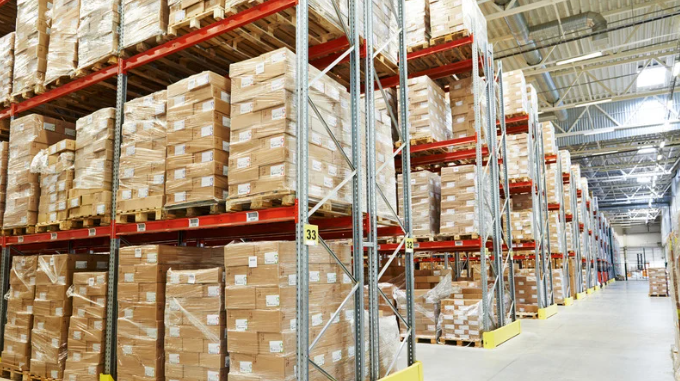
Warehouses operate in many different industries, including retail distribution, manufacturing, logistics, and e-commerce fulfillment. Each of these environments requires storage solutions that can handle varying inventory sizes, weight loads, and operational workflows. Choosing the right storage structure is essential for maintaining efficiency, safety, and proper organization within the facility. Businesses that plan their storage infrastructure carefully often begin by evaluating a warehouse racking system to understand how different rack designs can support specific operational requirements. By understanding the various types of warehouse racking systems available, organizations can create storage environments that match their inventory management needs while improving warehouse productivity.
Selective Racking Systems for Flexible Storage
Selective racking is one of the most commonly used storage systems across many industries. This type of racking system is designed to provide direct access to every pallet stored within the rack. Because each pallet position is accessible without moving other items, selective racking is ideal for warehouses that handle a wide variety of products.
Another advantage of selective racking is its compatibility with standard material handling equipment. Forklifts can easily access pallets from the front of the rack, allowing workers to load and unload inventory efficiently. Although selective racking provides excellent accessibility, facilities must maintain regular inspections to ensure safe performance. Understanding how often warehouse racking should be inspected for safety and efficiency helps ensure that storage systems remain stable, compliant, and reliable for daily warehouse operations.
Push Back Racking for Improved Accessibility
Push back racking offers a balance between storage density and product accessibility. In this system, pallets are stored on carts that move along slightly inclined rails. When a new pallet is loaded onto the rack, it pushes the previously stored pallet backward along the rail.
Push back racking is particularly useful for warehouses that store multiple pallets of the same product but still require efficient product retrieval. The system supports a last-in-first-out inventory method and can significantly improve storage density compared to traditional selective racks. Because the system relies on moving components, professional engineering and installation are important to ensure reliable operation and safe weight distribution across the rack structure.
Cantilever Racking for Oversized Materials
Certain industries require storage solutions for long or irregularly shaped materials that cannot be placed on traditional pallet racks. Cantilever racking is designed specifically for this purpose. The system features horizontal arms extending from vertical columns, allowing materials to be stored without front columns obstructing access. This design is ideal for storing items such as lumber, pipes, metal bars, and other long products commonly used in construction or manufacturing industries. Because there are no front support columns, forklifts can easily load and retrieve materials of varying lengths.
Cantilever racks are also adjustable, allowing warehouse operators to modify arm spacing to accommodate different product sizes. This flexibility makes the system highly adaptable for industries that manage diverse materials. Proper structural design ensures that cantilever racks maintain stability while supporting long and heavy products. Engineering expertise is essential for ensuring the arms and columns are capable of supporting the expected load capacities.
Conclusion
Different industries require different types of warehouse racking systems to manage inventory effectively. Selective racking provides flexibility and easy pallet access, while drive-in racking supports high-density storage for large quantities of similar products. Push back racking offers a balance between density and accessibility, and cantilever racking is ideal for storing oversized materials. By carefully selecting the appropriate racking system, businesses can improve warehouse organization, enhance productivity, and maintain safe storage environments. Thoughtful planning and professional system design ensure that warehouse storage infrastructure continues to support efficient operations as business needs evolve.