
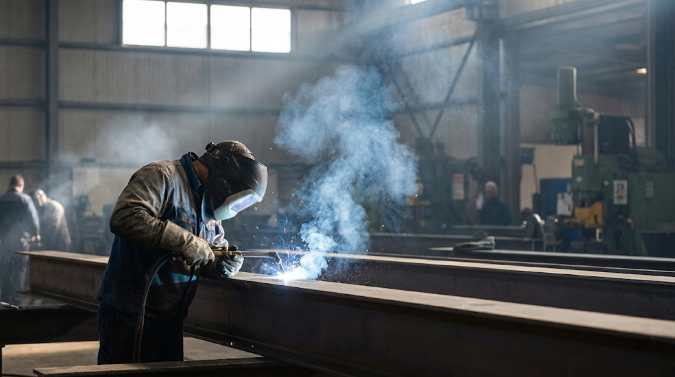
Industrial manufacturing facilities operate under highly specific environmental parameters that directly affect air quality management. Managing these complex variables requires profound technical expertise and careful preliminary planning. Facilities must carefully consider their unique spatial conditions before selecting any air filtration machinery. Implementing a customized welding fume extraction unit protects personnel by addressing the exact atmospheric challenges present on your production floor. Professionals assess factors such as ambient temperatures and natural drafts to ensure optimal performance. Ignoring these critical environmental factors guarantees poor ventilation and exposes workers to severe respiratory hazards.
Analyzing Ambient Temperature and Humidity
Manufacturing plants frequently experience extreme temperature fluctuations during intense production cycles. High heat levels alter the natural trajectory of thermal plumes rising from the welding arc. Professional engineers calculate these thermal dynamics to ensure the capture velocity remains strong enough to collect ascending particulate matter. Heavy moisture in the air also complicates the filtration process by causing dust particles to clump together prematurely. These dense clusters can quickly clog standard filters and reduce overall suction power. Specialized contractors evaluate your climate to select the exact filtration media required for your specific geographic location. Failure to account for heavy humidity forces the machinery to work significantly harder than intended. This extra strain leads to frequent mechanical breakdowns and costly production delays.
The Impact of Facility Cross Drafts
Open bay doors and large cooling fans create unpredictable air currents across the shop floor. These powerful cross drafts easily disrupt the upward flow of contaminated air and push hazardous smoke away from the capture hood. Understanding why the fume extraction system is important helps facility managers appreciate the necessity of proper draft mitigation. Experts design specialized enclosures and strategic hood placements to shield the welding zone from conflicting air movements. This highly calculated approach ensures that toxic matter enters the ductwork directly without scattering into the general breathing zone.
Navigating Complex Spatial Layouts
The physical architecture of a manufacturing plant heavily dictates the optimal design of any ventilation infrastructure. Low ceilings trap rising heat and create dense layers of contaminated air that require immediate removal. Conversely massive open facilities demand highly powerful fan motors to maintain adequate static pressure across extensive ductwork networks. Seasoned professionals conduct thorough spatial audits to determine the precise placement of every single intake point. They route ducting strategically to avoid structural obstacles while maintaining perfectly smooth airflow pathways. Properly balancing the entire network prevents unequal suction drops across different welding stations. Experts ensure that every single operator receives the exact same level of reliable respiratory protection.
Adapting to Unique Operational Layouts
Every production floor features a unique arrangement of heavy machinery and active workstations. Crowded work areas restrict the movement of standard extraction arms and demand highly customized ventilation solutions. Professional design teams evaluate worker movement patterns and equipment density to engineer systems that seamlessly integrate into your daily operations. They use advanced modeling software to predict how physical obstructions will alter ambient airflow. Relying on professional execution guarantees that your filtration equipment operates perfectly regardless of your complex physical surroundings.
Conclusion
Maintaining a safe industrial environment requires a deep understanding of complex atmospheric variables and spatial constraints. Relying on seasoned experts ensures that your ventilation infrastructure effectively addresses any localized challenges. Proper engineering eliminates dangerous airborne contaminants while maintaining exceptional operational efficiency across the entire facility. Investing in specialized professional services completely removes unnecessary risks and protects your valuable workforce from severe health complications. Proper planning always establishes a secure foundation for sustainable commercial success.