
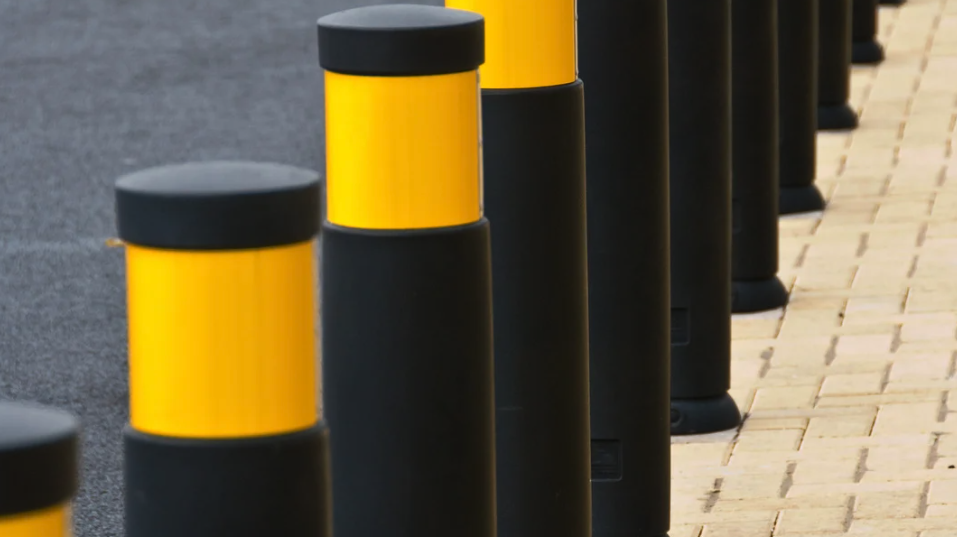
Bollards play an important role in protecting properties, guiding traffic, and enhancing the safety of both pedestrians and vehicles. These sturdy posts are commonly used in parking lots, commercial spaces, walkways, and industrial areas where controlled access and physical protection are required. Choosing the right bollard for a project requires careful consideration of design, functionality, and installation requirements. Many contractors and property planners work with a reliable bollards supplier in Cumming to ensure that the selected bollards meet both safety standards and the specific needs of the project.
Understanding the Purpose of Bollards
Before selecting a bollard, it is important to understand the specific purpose it will serve. Bollards are designed for various functions, including vehicle impact protection, pedestrian safety, traffic control, and property boundary definition. Some bollards are meant to stop or slow vehicles, while others guide foot traffic or mark restricted areas. Each application requires a different level of strength and visibility. For example, industrial areas may require heavy-duty steel bollards capable of resisting vehicle impact, while pedestrian walkways may benefit from decorative bollards that blend with the surrounding architecture. Identifying the primary purpose helps ensure the selected bollard performs its role effectively.
Choosing the Right Material for Durability
Bollards are manufactured from a range of materials, including steel, concrete, stainless steel, and composite materials. Each material offers specific advantages depending on the environment and expected usage. Steel bollards are commonly used in areas requiring strong impact resistance, while stainless steel options are often chosen for locations where appearance and corrosion resistance are important. Environmental conditions also play a role in selecting the right material. Outdoor installations may require materials that can withstand moisture, sunlight, and temperature changes. Durable materials ensure that bollards continue providing reliable protection without frequent replacement or maintenance.
Considering Visibility and Design
While strength and durability are essential, the visual design of bollards also contributes to the overall effectiveness of the installation. Bollards should be easily visible to both drivers and pedestrians to help prevent accidental collisions. Bright finishes, reflective coatings, or contrasting colors can improve visibility in parking areas and roadways. At the same time, the design should complement the surrounding environment. In commercial or public areas, decorative bollards are often chosen to match architectural features or landscaping elements. A balanced combination of functionality and aesthetic appeal ensures that bollards enhance both safety and the visual appearance of the property.
Evaluating Installation and Maintenance Requirements
The installation method is another important factor when choosing bollards for a project. Some bollards are permanently embedded into concrete foundations to provide maximum strength and stability. Others may be removable or retractable, allowing controlled vehicle access when necessary. Maintenance considerations should also be taken into account. Well-designed bollards require minimal upkeep while continuing to perform their protective function. Selecting high-quality materials and professional installation methods helps ensure long term reliability and reduces the need for frequent repairs or replacements.
Conclusion
Choosing the right bollard for a project involves careful evaluation of purpose, material strength, design, and installation requirements. Bollards serve as an important safety feature that protects infrastructure, guides traffic movement, and enhances the overall organization of outdoor spaces. By selecting the appropriate type of bollard for the environment and intended use, property owners and planners can create safer and more efficient spaces that support both functionality and visual appeal.