
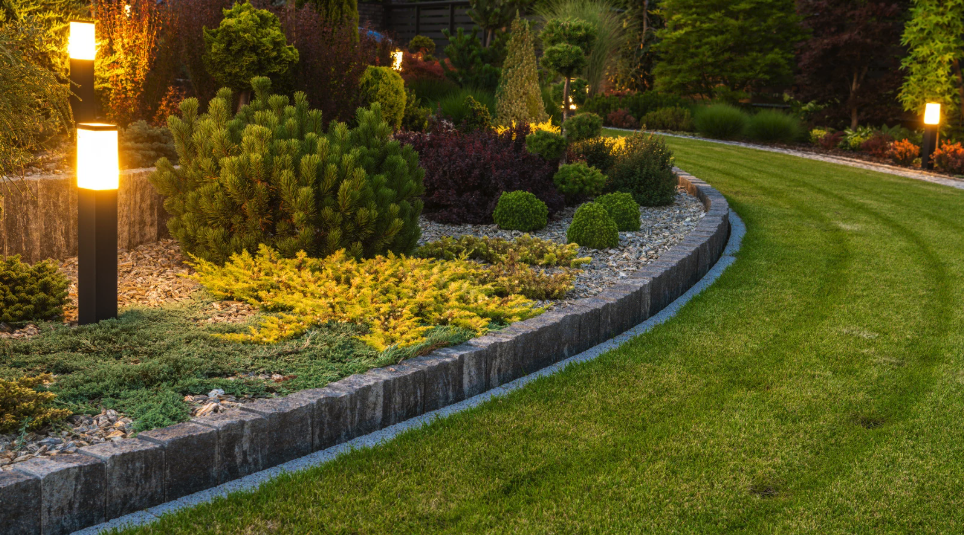
A well-designed exterior is more than a combination of plants and structures. It is the result of thoughtful coordination between architecture and landscape planning. When these two elements are designed together, the property feels balanced, functional, and visually unified. Many property owners overlook the importance of aligning outdoor design with the structure itself. In areas where outdoor spaces are an essential part of property value, professional planning becomes especially important. A carefully planned approach to landscaping design in Alpharetta helps ensure that the exterior complements the architecture rather than competing with it.
Understanding the Relationship Between Structure and Landscape
Architecture establishes the visual language of a property. Roof lines, materials, colors, and proportions all influence how the surrounding outdoor environment should be designed. When landscaping reflects these architectural elements, the entire property feels intentional and harmonious. Professional landscape designers analyze structural details before developing a plan. They consider how pathways, plant groupings, and outdoor features can echo architectural shapes and patterns. This approach creates continuity between the building and the surrounding outdoor space.
Using Layout and Spatial Planning to Create Flow
A cohesive exterior depends heavily on spatial planning. Outdoor areas should guide movement naturally from one space to another. Walkways, entry paths, and gathering areas must align with doorways, windows, and architectural focal points. Experienced designers often draw on principles of landscape design, focusing on balance, proportion, and functional flow. Applying these concepts allows landscapes to feel integrated rather than randomly arranged around the building.
Selecting Materials That Complement Architectural Style
Material selection plays a major role in unifying architecture and landscaping. Stone, wood, metal, and paving materials used in outdoor spaces should complement those already present in the building. Matching tones and textures strengthens visual consistency. Professionally designed landscapes often repeat architectural materials in subtle ways. For example, stone used on exterior walls might appear in garden borders or patio surfaces. These small design decisions reinforce the relationship between the home and its surrounding environment.
Coordinating Plant Design With Architectural Character
Plant selection should enhance architectural character rather than distract from it. Different architectural styles pair best with specific plant arrangements and landscape structures. Modern homes often benefit from structured planting designs, while traditional properties may feature layered greenery and natural forms. Professional landscape planning ensures that plant heights, shapes, and colors frame the structure properly. Trees might highlight entry points, shrubs may soften hard lines, and ground covers can connect larger features together. This coordinated approach strengthens visual harmony across the property.
Integrating Functional Outdoor Features With Design
Outdoor living areas are most effective when they feel like natural extensions of the building. Patios, seating spaces, water elements, and lighting should align with architectural design rather than appearing separate from it. Landscape professionals evaluate how these features interact with the structure. Placement of outdoor seating areas might align with interior gathering spaces, while lighting can highlight architectural elements at night. These thoughtful integrations allow the exterior to function as a cohesive part of the property.
Conclusion
Blending architecture with landscape design creates an exterior environment that feels balanced and intentional. When structural elements, materials, plants, and outdoor features work together, the property gains both visual harmony and practical functionality. Professional landscape planning ensures that every outdoor element supports the architectural identity of the space. The result is an exterior that feels unified, refined, and naturally connected to the structure it surrounds.