
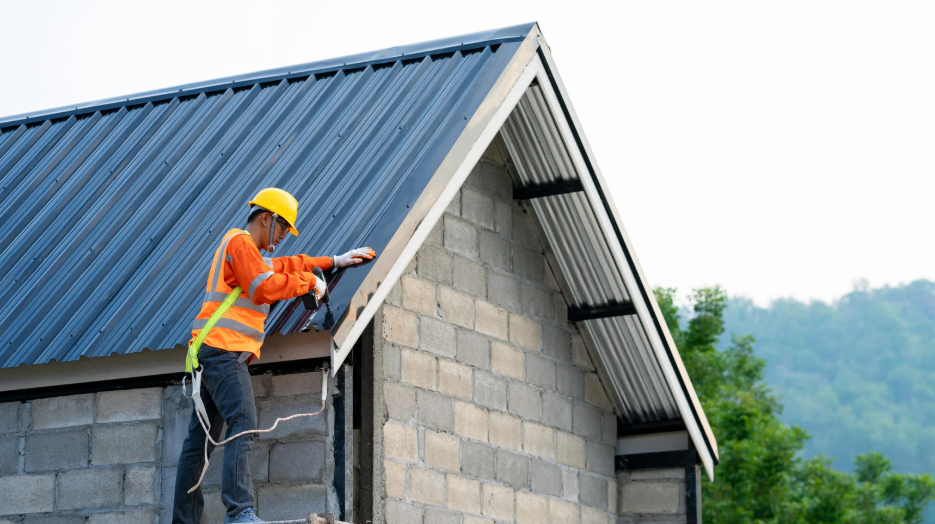
Replacing your roof involves much more than simply nailing down new shingles. A high-quality installation requires meticulous attention to detail at every single layer of the roofing system. When you hire an experienced roofer in Johns Creek, you secure peace of mind knowing that experts are evaluating every structural component. They perform thorough inspections throughout the process to prevent future leaks and structural damage. Understanding what these professionals look for helps you appreciate the true value of expert craftsmanship. Here are seven critical things experts verify during a roof replacement.
Foundation and Structural Integrity
A beautiful exterior means nothing if the underlying structure lacks strength. Professionals start by ensuring the base of your roof can support the new materials over the long term.
1. Wood Decking Health
Before applying any new layers, experts examine the wooden decking for signs of rot, mold, or severe water damage. Compromised wood cannot securely hold roofing nails. Replacing weakened decking prevents the new structure from sagging or failing under heavy wind and rain.
2. Proper Attic Ventilation
Proper airflow extends the lifespan of your shingles and regulates indoor temperatures beautifully. Installers check that intake and exhaust vents remain clear and correctly balanced. Poor ventilation traps heat and moisture, which essentially bakes your roof from the inside out and damages the materials.
Weatherproofing and Water Management
Keeping water out of your home stands as the primary goal of any roofing system. Installers focus heavily on the barriers that redirect moisture away from highly vulnerable areas.
3. Underlayment Application
The underlayment acts as a secondary shield against rain driven by high winds. Professionals ensure this waterproof barrier lays perfectly flat without wrinkles or tears. They overlap the seams precisely to create a watertight seal across the entire surface area.
4. Precision Flashing Placement
Valleys, chimneys, and skylights represent the most common areas for sudden water intrusion. Installers meticulously check the metal flashing around these penetrations. They ensure the flashing sits tightly against the structures and seals properly with specialized cement to deflect running water.
5. Drip Edge Installation
The drip edge directs water into the gutters rather than letting it run down the fascia boards. Experts check that this metal strip sits securely at the roof’s edge. Correct placement prevents wood rot along the eaves and keeps pests from entering the attic.
Material Application and Compliance
The final stages require exact precision to ensure the visible exterior materials perform perfectly against the outdoor elements.
6. Shingle Alignment and Nailing Patterns
Crooked shingles ruin the curb appeal of your home and leave gaps for water to enter. Professionals verify straight alignment across every row. Furthermore, they check the nailing patterns closely. Each shingle requires a specific number of nails driven at the exact right depth to withstand severe weather.
7. Industry Compliance and Standards
Top-tier contractors ensure every step meets strict building codes and manufacturer specifications. Property owners often wonder, do roofers have to be licensed to perform this highly technical work. Legitimate professionals carry the proper credentials to guarantee their work aligns with local safety regulations, protecting your investment entirely.
Conclusion
A roof replacement requires incredible precision, extensive knowledge, and an unwavering commitment to excellent quality. By meticulously checking the decking, ventilation, flashing, and shingle alignment, skilled contractors construct a weather-resistant barrier built to endure the harshest elements. When experts manage the intricate details of weatherproofing and structural integrity, you avoid costly emergency repairs down the road. Trusting these critical construction steps to experienced professionals ensures your home remains entirely safe, efficient, and well-protected for decades.